



The Southwest Florida Astronomical Society
Our many goals include outreach & educating the public, as well as teaching the art and skill of observing and photographing the wonders of the night sky.Monthly Meetings, Outreach, Field Trips
We meet the 1st Thursday of each month (7:00 P.M.) at the Calusa Nature Center and Planetarium, 3450 Ortiz Avenue, Fort Myers, FL 33905-7811 and on Zoom (check newsletter for link). We are beginning to meet for dinner before our meetings. Paid members will receive an email regarding the event.Monthly Observing Sessions
Come observe the skies with us! We meet at the Moore Observatory (in Punta Gorda) every month as well as solar observing in the Port Charlotte area.Star Parties & Public Outreach
SEAHAWK STAR PARTIES Typically the best time in Southwest Florida for star parties is from September - May but if we see an available weather window, we'll announce it here and on our email lists. The scheduled dates for 2026 are: September 12, October 10, November 7, December 12. Click here for more info. BIG CYPRESS NIGHT SKY PROGRAMS The Rangers at Big Cypress present frequent dark sky programs. Many times our experienced members partner with the Rangers to present these programs. Club members are always invited to attend the programs. environments, has become a significant environmental issue with far-reaching consequences. While modern civilization benefits from artificial lighting for safety and convenience, the adverse effects of light pollution on health, ecosystems, and astronomy are increasingly concerning.One of the most direct impacts of light pollution is its effect on human health.Exposure to artificial light, especially during the night, disrupts natural circadian rhythms. The human body's biological clock, governed by these rhythms, is crucial for regulating sleeppatterns, hormone production, and overall well-being.The overexposure to artificial light, particularly blue light emitted by screens and bright LED lights, can lead to sleep disorders. Insufficient sleep, in turn, is linked to a range of health issues, including anxiety, depression, obesity, and cardiovascular diseases.Studies have shown that individuals living in areas with high levels of light pollution often experience more significant health problems than those in darker regions. Additionally, light pollution significantly impacts wildlife and ecosystems.Many species have evolved to rely on natural light cues for critical behaviors such as migration, reproduction, and feeding. For example, sea turtles depend on the natural light of the moon to navigate to the ocean after hatching. Artificial lights along coastlines can disorient hatchlings, leading them away from the sea and increasing their mortality rate. Birds are similarly affected; migratory birds use stars and natural light for navigation. When they encounter bright city lights, they can become confused, leading to increased collisions with buildings and other structures.The disruption of nocturnal wildlife behavior due to light pollution can also impact predator-prey relationships and overall biodiversity.Flora is not spared from the effects of light pollution either. Many plants rely on specific light signals to regulate their growth and flowering cycles. The introduction of artificial light can cause plants to bloom earlier in the season or alter their reproductive cycles, potentially disrupting local ecosystems and agricultural practices. As plants play a crucial role in carbon sequestration and providing habitat for wildlife, their disturbance can have cascading effects on environmental health.Moreover, light pollution obstructs our view of the night sky, significantly impacting astronomy and our understanding of the universe.The glow of city lights makes it increasingly difficult for both amateur and professional astronomers to observe celestial phenomena. This has led to a loss of connection between humans and the cosmos, which has cultural and educational implications.The lack of dark skies limits essential scientific research and public engagement with the universe, especially as space exploration becomes increasingly prominent in society.Efforts to combat light pollution are underway in many cities worldwide. Solutions like implementing shielded lighting fixtures, using motion sensors, and adopting "dark sky" ordinances aim to reduce the impact of artificial light on ecosystems and human health.Raising public awareness about the importance of preserving dark skies can foster community initiatives to mitigate light pollution.In conclusion, while artificial lighting is an integral part of modern life, it is crucial to recognize and address the adverse effects of light pollution. By understanding its impacts on health, wildlife, and astronomy, societies can take meaningful steps towards minimizing these effects, promoting environmental health, and reconnecting with the natural world after dark.
Monthly Calendar of Events
Monthly meeting status is in the newsletter. Click here for the 24/25 Seahawk Star Party schedule.2026 Programs & Speakers Series
Join us monthly for informative programs that will educate, excite, and leave you wanting and searching for more.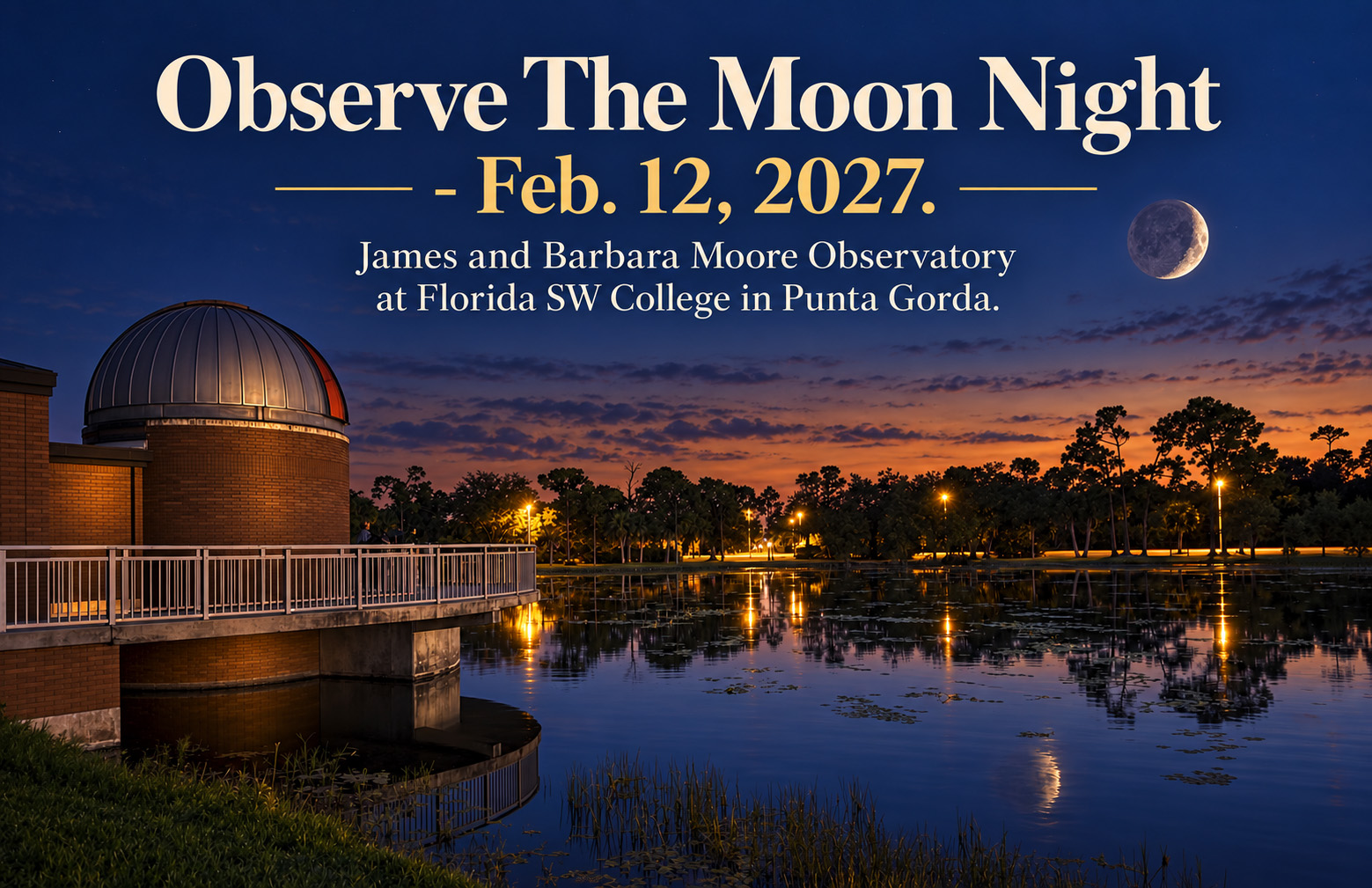
2026
October - Gabriel Maxwell Bowman Lunar & Planetary Lab, University of Arizona Moon Missions over the Last 60 Years
November - Greg Shanos NASA/JPL Solar system Ambassador Eclipse in Egypt & Culture Surrounding Ancient Gods for the Stars
December - Jon U. Bell - Indian River State College Planetarium Director - Constellation Connections – Guide Stars to Deep Sky Objects
Astrophotography & Astronomy Planning Tools
Here are some planning tools our members use and recommend.We receive no compensation for our recommendations, but donations are kindly accepted!
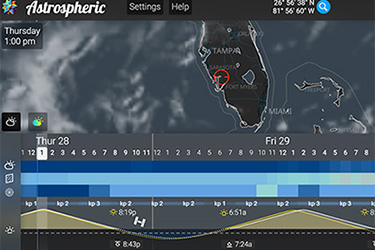
Sky Conditions
Planning for light pollution and clouds is a constant job for the successful astronomer and astrophotographer. We use and recommend LightPollution.Info, Astrospheric and Clear Outside.
Star Maps
Online or connected star maps are an awesome way to plan your observing or shoot. We recommend Stellarium and Stellarium Web, as well as the Stellarium app on Google Play or Apple.
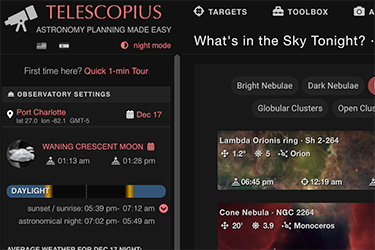
Telescopius
Online or connected star maps are an awesome way to plan your observing or shoot. We recommend Stellarium and Stellarium Web, as well as the Stellarium app on Google Play or Apple. Click Here for Telescopius
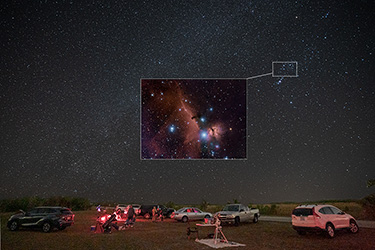
Learn & Share Your Astrophotography
Our Astrophotography Special Interest Group (SIG) meets monthly, schedules monthly field trips, has an info/discussion email list. Our Astro SIG has a HUGE educational component, members teaching members. More Info on Astrophotography
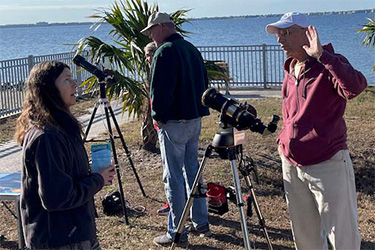
Join Our Club
Our affordable family memberships (only $25) are a great way to learn, grow, meet new friends and stay involved in astronomy and astrophotography.
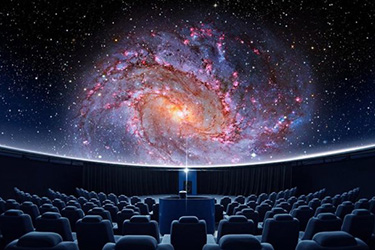
Monthly Meetings
We have a general meeting once a month at the Calusa Nature Center & Planetarium and on Zoom, and our Astrophotography group meets (on Zoom only) once a month as well.
Astronomy & Astrophotography Resources
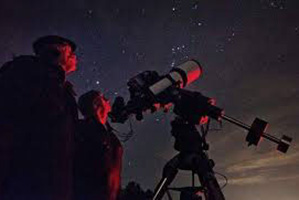
Request A Private Star Party/Lecture/Workshop
We'd be happy to arrange for a private star party or lecture for your organization.
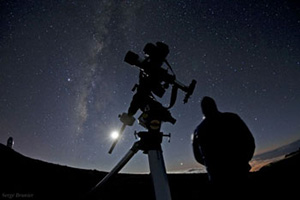
Astrophotography
Let's face it, learning Astrophotography is hard! Our Astro SIG (Special Interest Group) is one of the best ways to help you learn this all consuming hobby.
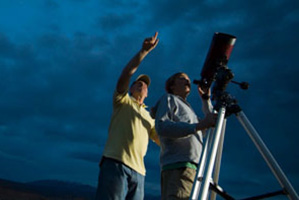
Telescope Help
As part of our community outreach program, we're happy to help you with problem telescopes.